

Greener Footprints, Cleaner Planet
As the global community accelerates its efforts towards decarbonization and achieving net-zero emissions, the development and optimization of carbon markets stand at the forefront of climate change mitigation strategies. This summit aims to unravel the complexities inherent in the carbon markets, fostering the development of tradable carbon reductions and removals and leveraging carbon credits as a tool for sustainable development.

1,369 Voluntary Carbon Units (VCUs) retired in Asia Clean Energy Summit and Asia Carbon Summit in 2024

As the global community accelerates its efforts towards decarbonization and achieving net-zero emissions, the development and optimization of carbon markets stand at the forefront of climate change mitigation strategies. The Asia Carbon Summit serves as a pivotal platform for leaders, policymakers, industry experts, and innovators to converge, share insights, and forge pathways for the advancement of carbon markets in Asia. This summit aims to unravel the complexities inherent in the carbon markets, fostering the development of tradable carbon reductions and removals and leveraging carbon credits as a tool for sustainable development.
Key Objectives and takeaways:
|
8.00 – 9.00 |
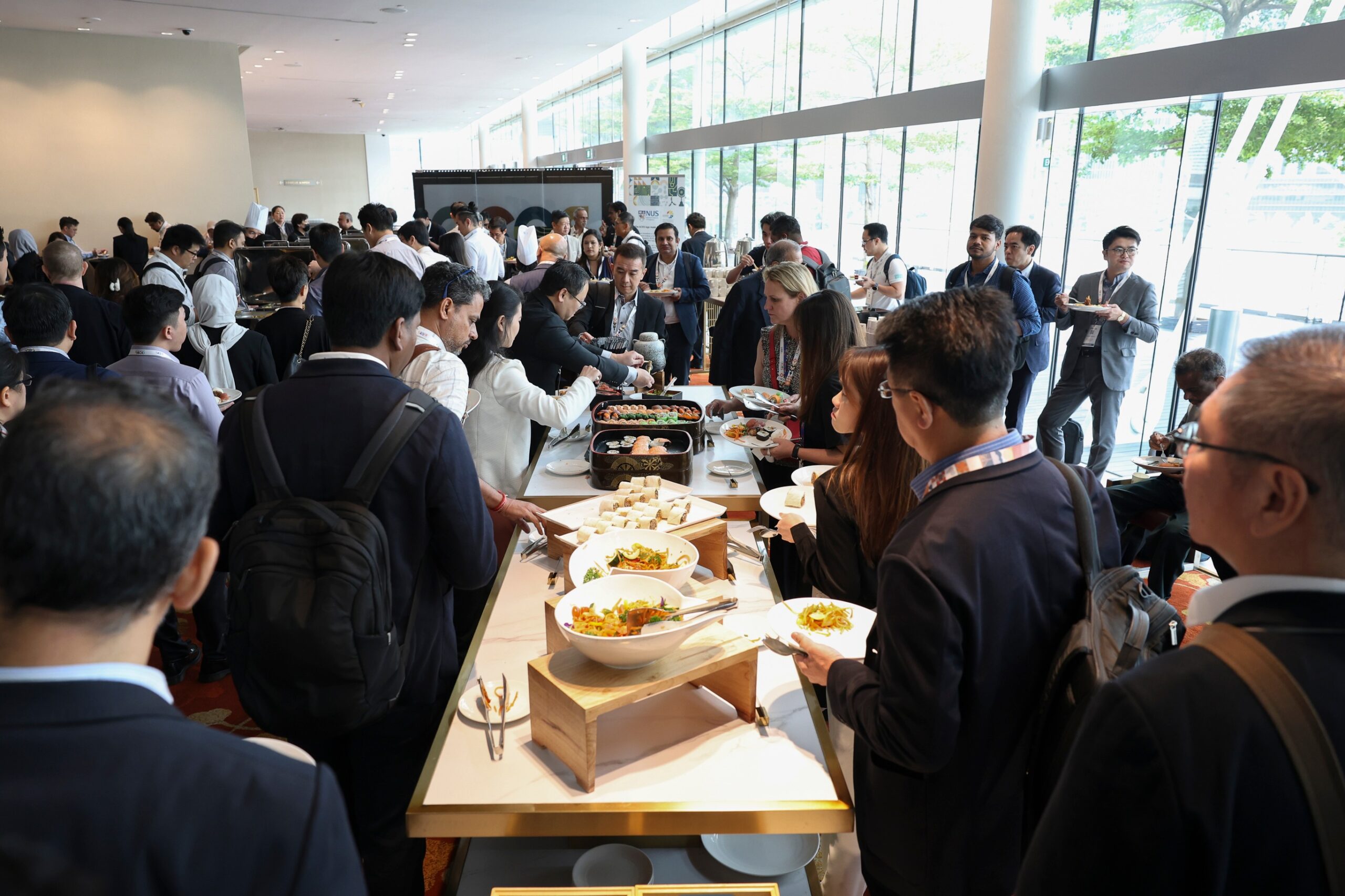
Breakfast Networking |
|
9.00-9.10 |
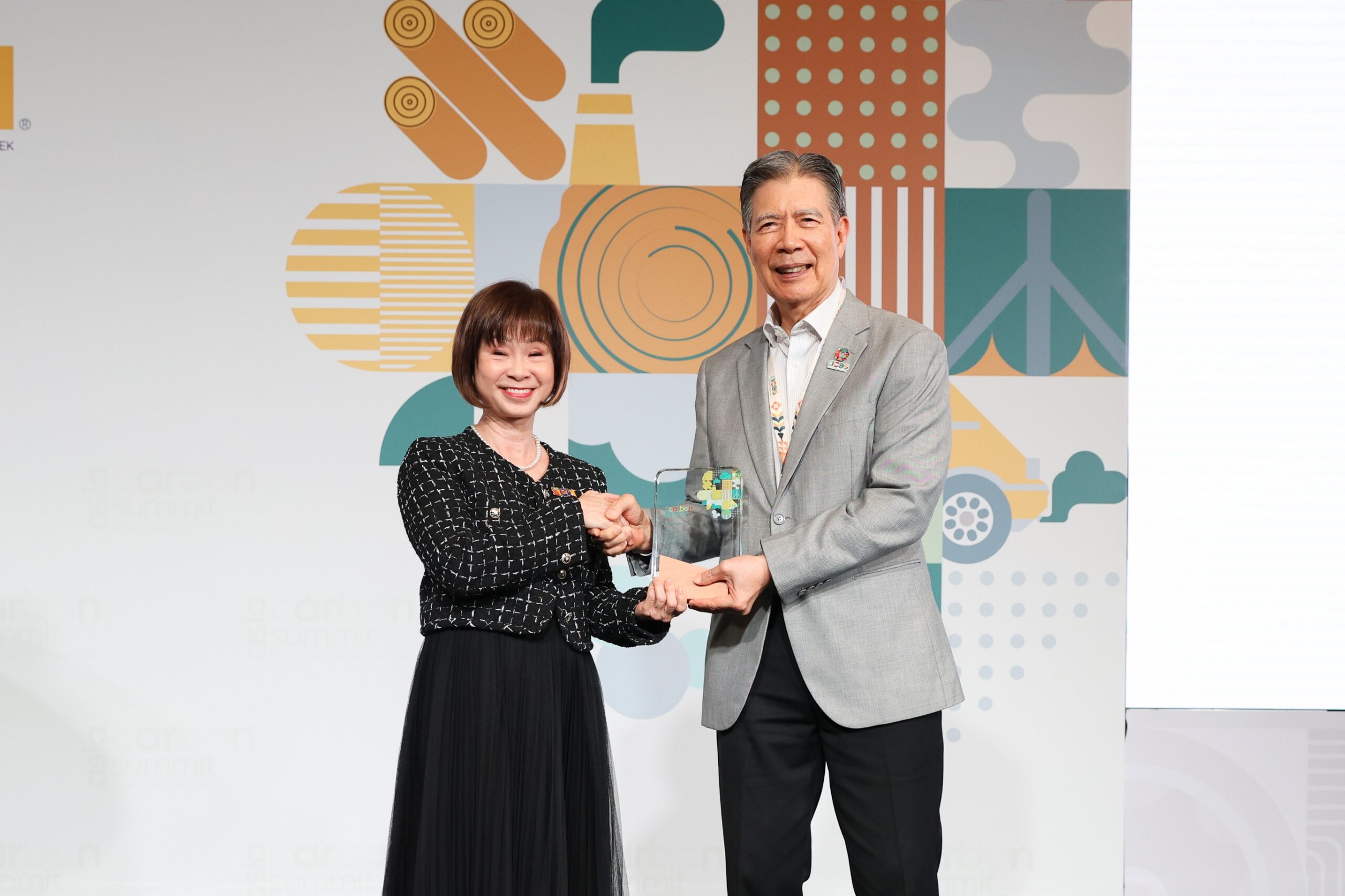
Welcome Address Er Edwin Khew, Chairman, SEAS |
|
9.10 – 9.20 |
Opening Ceremony Dr Amy Khor, Senior Minister of State, Ministry of Sustainability and the Environment Ministry of Transport |
|
9.20 – 9.30 |
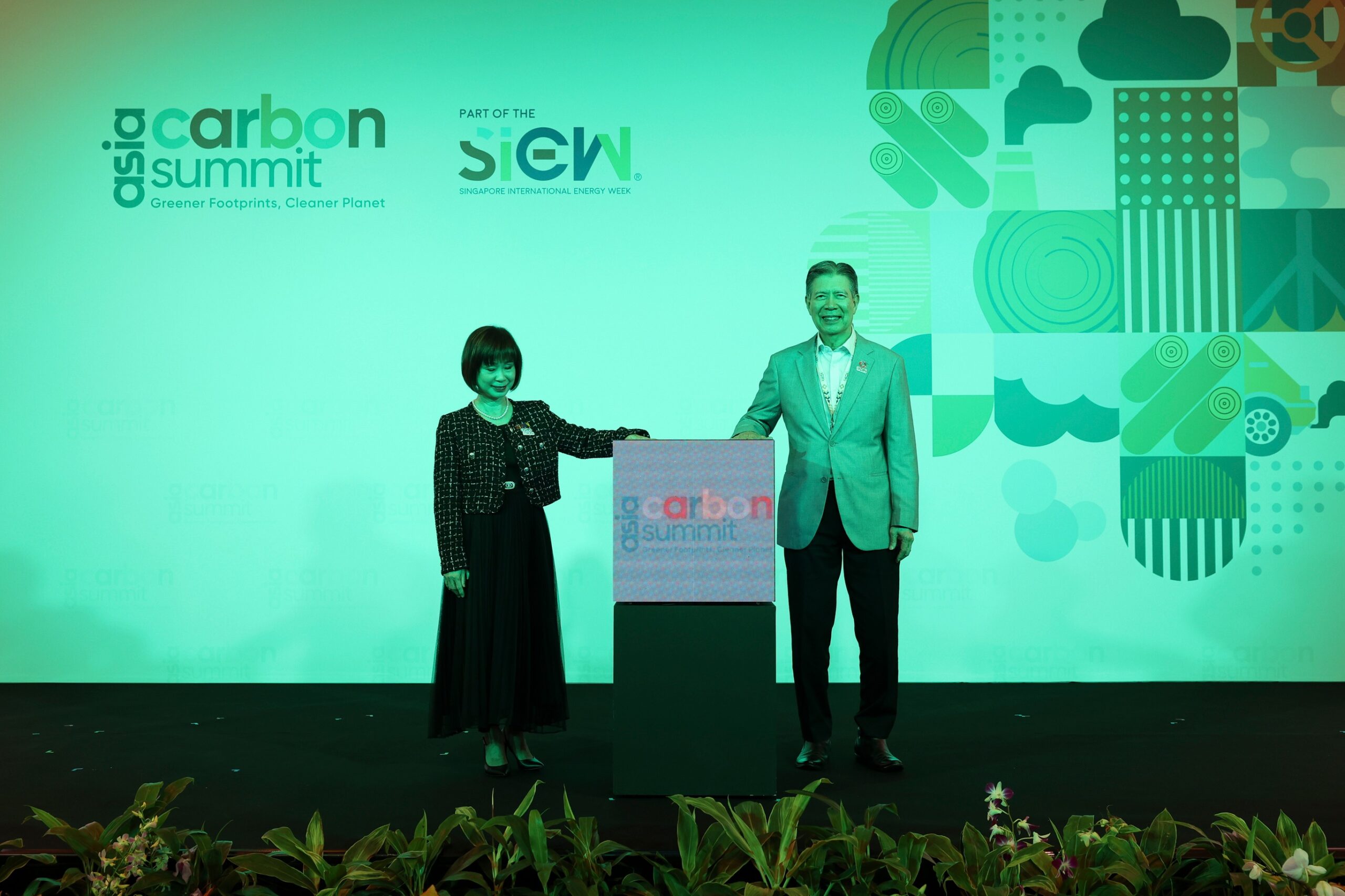
Asia Carbon Summit Launch |
|
9.30 – 9.40 |
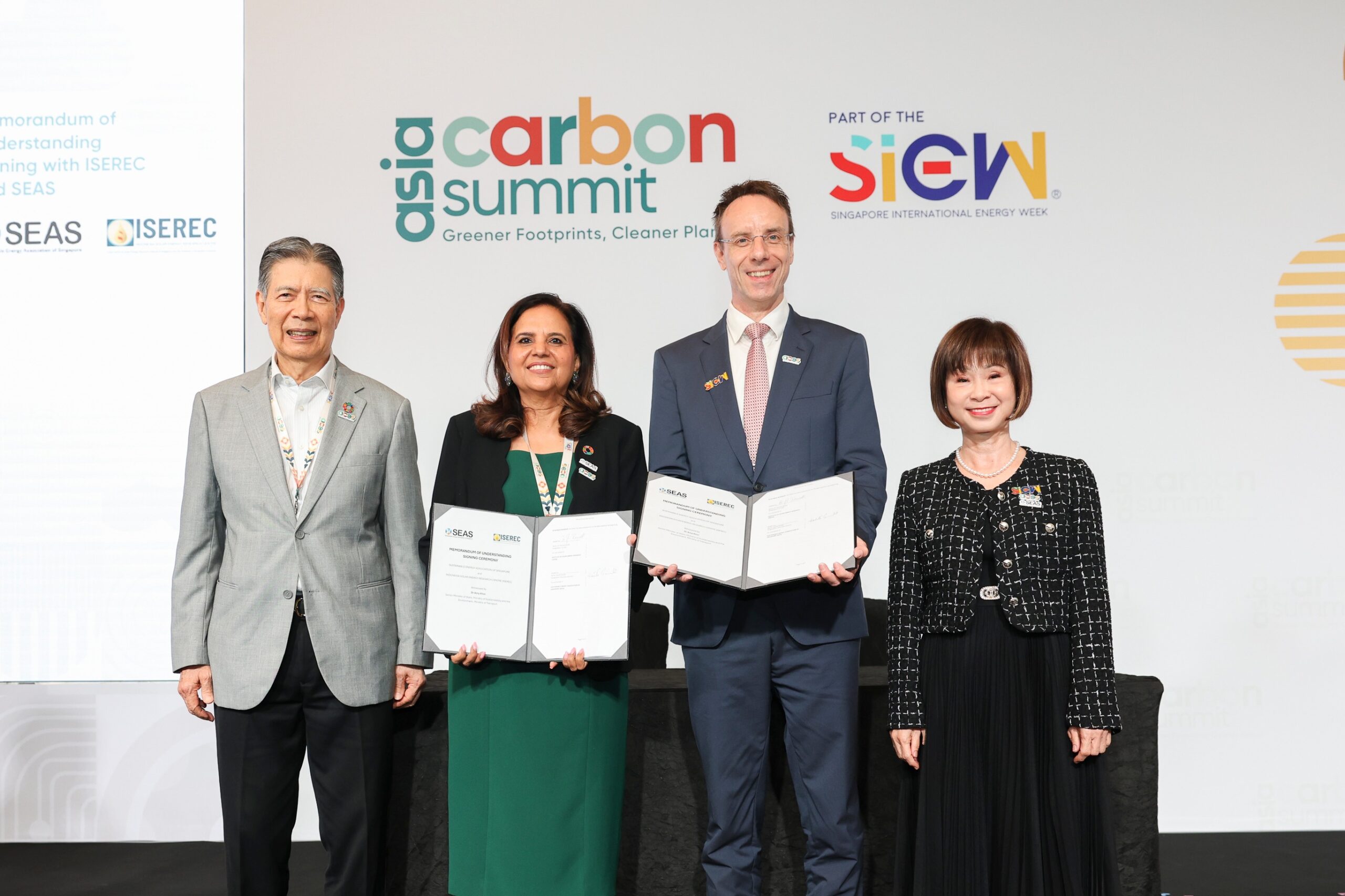
ISEREC MOU signing & MRCA Signing Ceremony |
|
9.40-10.00 |
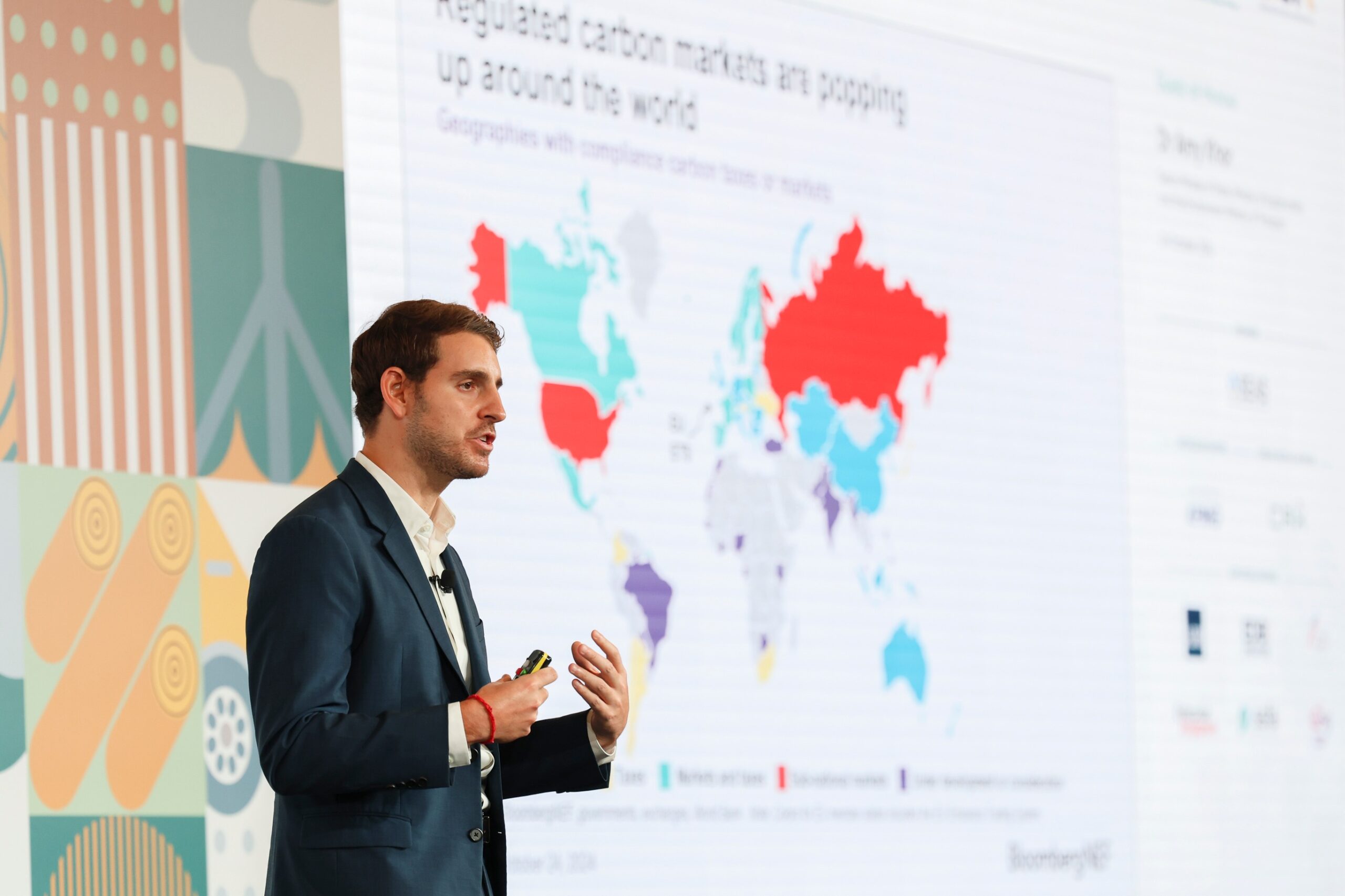
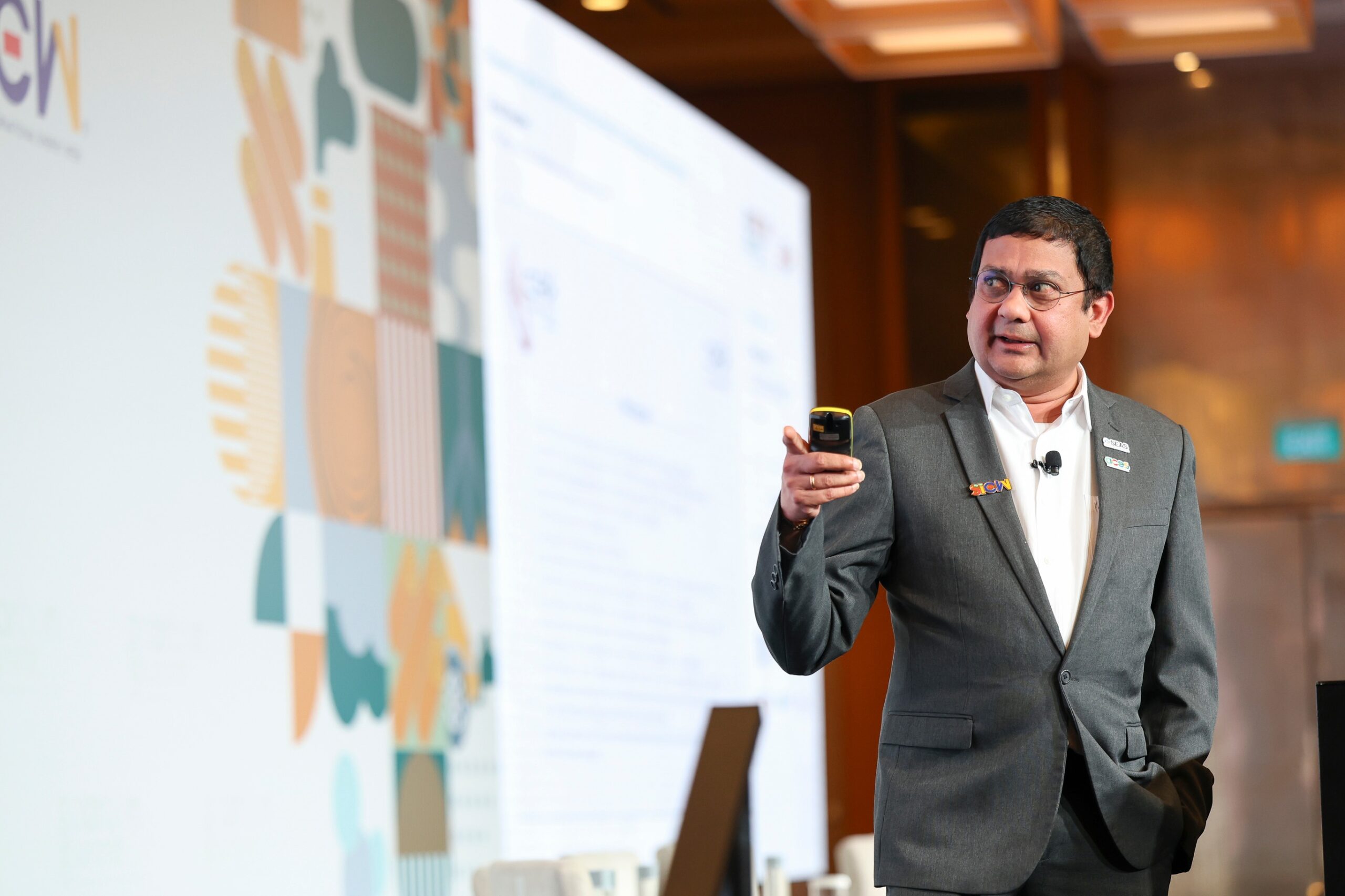
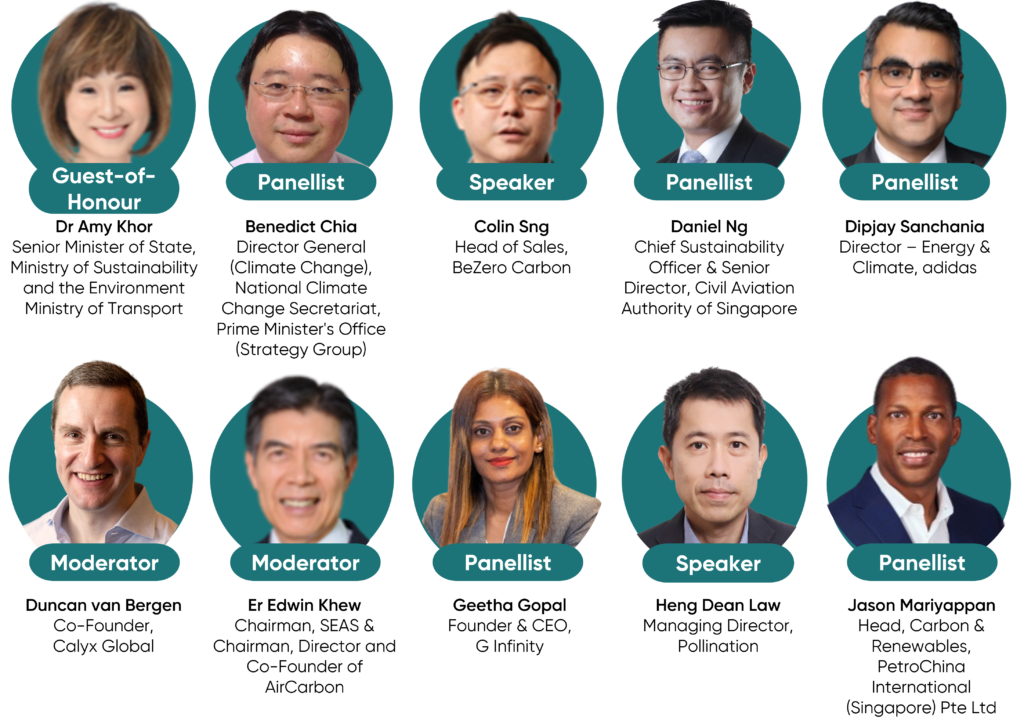
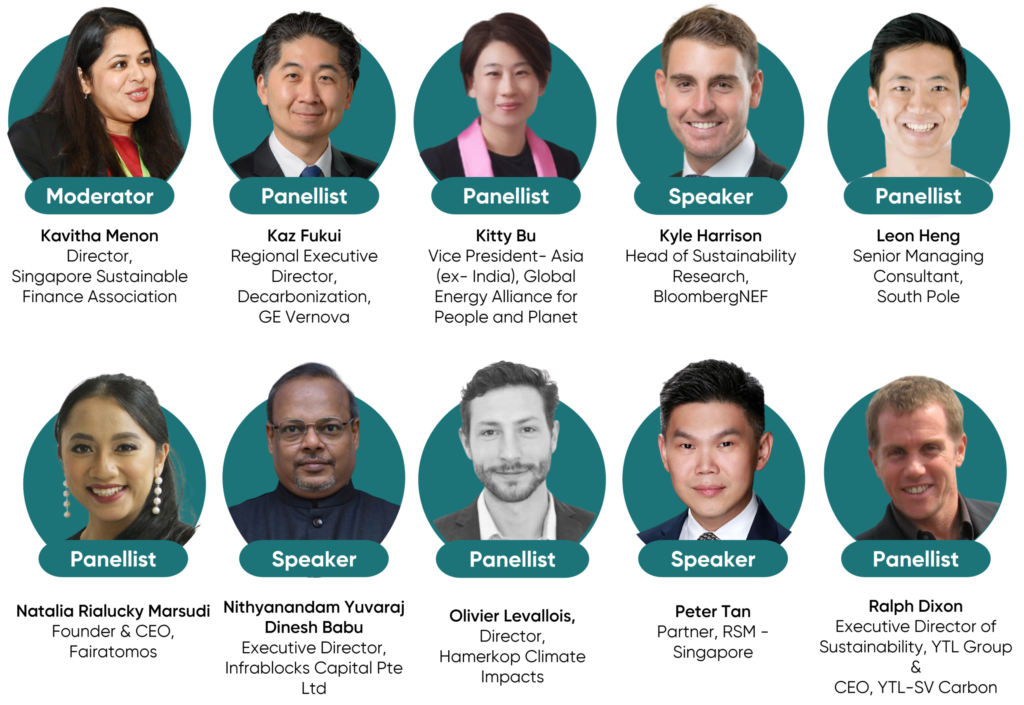
Keynote 1: Paving The Path to Regional Leadership: Integrating Global Lessons and Strategies For Advancing Asia’s Carbon Markets The keynote will explore the dynamic landscape of global carbon markets, delving into the most critical lessons that Asia can leverage to establish regional leadership in carbon market development. Key insights from worldwide carbon trading schemes provide a roadmap for overcoming the challenges unique to Asia’s diverse socio-economic environment. While emphasizing the importance of adopting global standards, the keynote will also highlight strategic approaches tailored to regional contexts that can drive the integration and expansion of carbon markets across Asia. Kyle Harrison, Head of Sustainability Research, BloombergNEF |
|
10.00 – 11.00 |
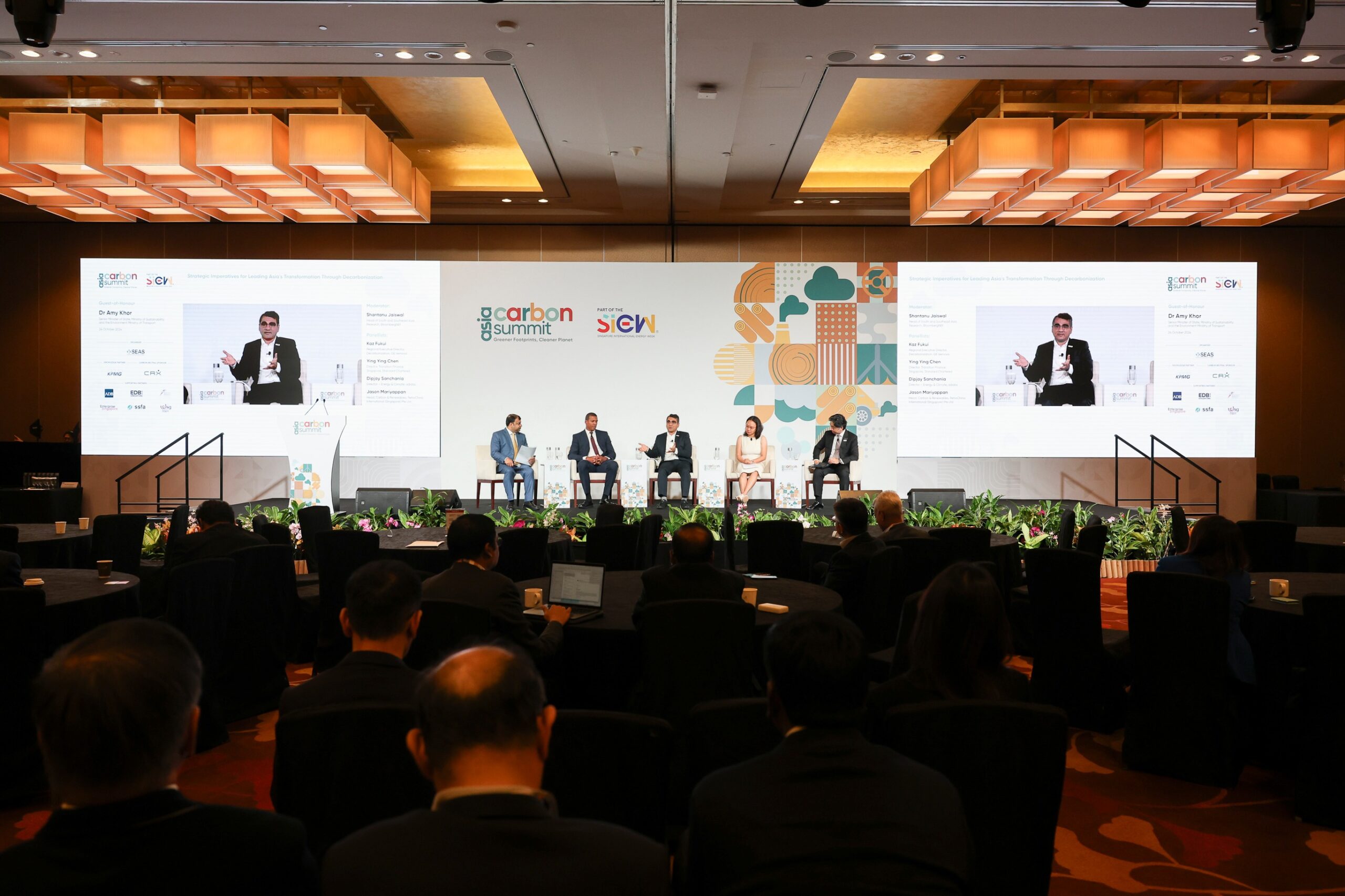
Panel Discussion 1: Strategic Imperatives for Leading Asia’s Transformation Through Decarbonization The imperative to decarbonize Asia’s landscape stands as a pivotal challenge and opportunity for regional stakeholders. This panel will delve into the strategic imperatives essential for leading Asia’s transformation towards a decarbonized future. From implementing innovative policies and regulatory frameworks to fostering cross-sector collaboration and investment in sustainable technologies, the session will explore actionable strategies aimed at accelerating the shift to a low-carbon future across the diverse and dynamic Asian region. This panel will also uncover key pathways and best practices for navigating the complexities of Asia’s decarbonization journey. By emphasizing the critical role of strategic decision-making and collective action, this panel aims to empower industry leaders and policymakers with the knowledge and tools needed to drive impactful change and shape a sustainable future for Asia and beyond. Panellists: · Shantanu Jaiswal, Head of South and Southeast Asia Research, BloombergNEF (Moderator) · Kaz Fukui, Regional Executive Director, Decarbonization, GE Vernova · Ying Ying Chen, Director, Transition Finance, Singapore, Standard Chartered · Dipjay Sanchania, Director – Energy & Climate, adidas · Jason Mariyappan, Head, Carbon & Renewables , PetroChina International (Singapore) Pte Ltd |
|
11.00-11.15 |
Keynote 2: Financing The Future: Unlocking Investment Opportunities in Asia’s Carbon Markets This session will delve into the financial dynamics, opportunities and challenges of investing in carbon markets and related green initiatives within the region. As Asia undergoes a significant shift towards sustainable development and low-carbon economies, understanding the intricacies of financing these transitions is paramount. The session will provide comprehensive insights into how financial mechanisms, including sustainable finance and transition finance, can be optimized to support carbon reduction efforts and drive sustainable growth. The session will highlight the role of sustainable finance in mobilizing capital towards renewable energy projects, energy efficiency improvements and other carbon reduction initiatives. Additionally, the session will explore transition finance, focusing on the critical need to manage the phase-out of non-clean assets like coal-fired power plants and the investment in cleaner alternatives. Nithyanandam Yuvaraj Dinesh Babu, Executive Director, Infrablocks Capital Pte Ltd |
|
11.15-11.30 |
Keynote 3: Innovating Towards Net-Zero: Technological Frontiers in Asia’s Carbon Markets This session focuses on the cutting-edge solutions and innovations that are pivotal in achieving net-zero emissions across Asia. This presentation aims to highlight the transformative potential of technology in enhancing the efficiency, transparency, and impact of carbon markets, thereby accelerating the region’s journey towards sustainable development and climate goals. Tony Zhang, Head, Carbon Management and Energy Transition APAC, GaffneyCline energy advisory |
|
11.30-12.30 |
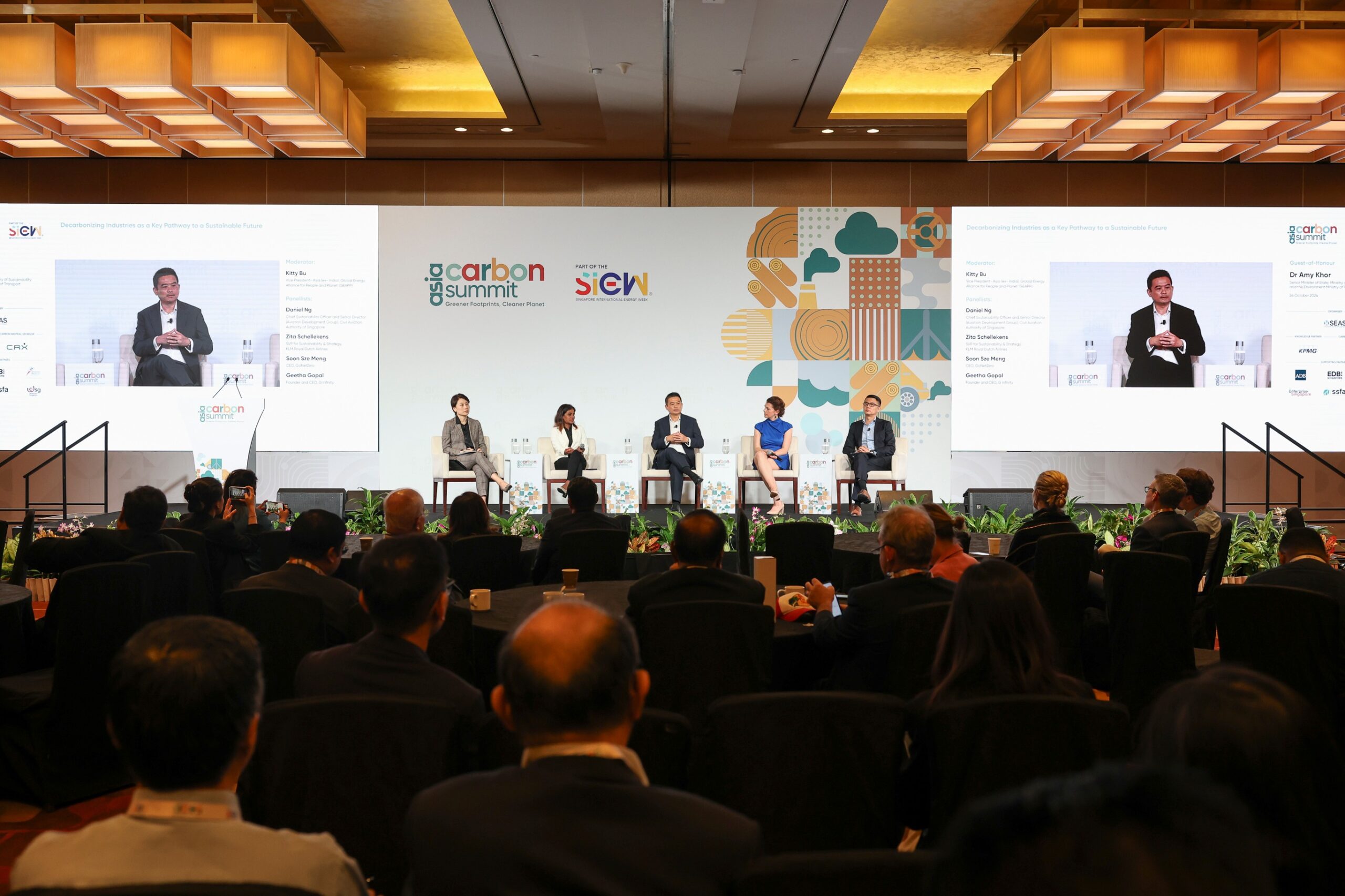
Panel Discussion 2: Decarbonizing Industries as a Key Pathway to a Sustainable Future The imperative to achieve net-zero emissions has placed the decarbonization of industries and the power sector at the forefront of Asia’s climate agenda. This session is designed to address the unique challenges and opportunities presented through leveraging regional strengths to foster a collaborative approach towards a carbon-neutral economy. The focus will be on dissecting the complexities of transitioning energy systems, enhancing industrial processes, and implementing sustainable practices that align with global climate commitments and local economic realities. Panellists: · Kitty Bu, Vice President- Asia (ex- India), Global Energy Alliance for People and Planet (GEAPP) (Moderator) · Daniel Ng, Chief Sustainability Officer and Senior Director (Aviation Development Group), Civil Aviation Authority of Singapore · Zita Schellekens, SVP for Sustainability & Strategy, KLM Royal Dutch Airlines · Soon Sze Meng, CEO, GoNetZero · Geetha Gopal, Founder and CEO, G Infinity |
|
12.30 |
Networking Lunch |
|
14.00 – 14.15 |
Keynote 4: Reimagining Voluntary Carbon Credits (VCM) in Corporate Climate Strategies This session will explore the evolving role of voluntary carbon credits within corporate climate strategies, emphasizing the need to reimagine their integration to maximize impact. As the urgency to address climate change intensifies, businesses are increasingly looking to voluntary carbon credits as a means to achieve net-zero goals. This session will delve into innovative approaches to incorporating carbon credits, ensuring they complement direct emissions reductions and align with broader sustainability objectives. Participants will learn about the latest developments in carbon credit standards, methodologies for ensuring high-quality and additionality, and best practices for selecting credible offset projects. The discussion will also cover the importance of transparency and accountability in the voluntary carbon market. The keynote will share insights on how to navigate the complexities of carbon credit verification, reporting, and stakeholder engagement. The session will highlight case studies of companies that have successfully integrated voluntary carbon credits into their climate strategies, demonstrating the potential for enhanced corporate reputation and investor confidence. Colin Sng, Head of Sales, BeZero Carbon |
|
14.15 – 14.30 |
Keynote 5 Pioneering Carbon Credits in Emerging Markets: Challenges and Opportunities The keynote will explore the transformative potential of carbon credit systems in developing regions. With a focus on the unique balance of advantages and obstacles faced by these markets, the session will highlight how innovative strategies can enhance participation in carbon trading while tackling issues such as regulatory hurdles, market maturity, and the need for robust verification processes. The presentation will aim to share with stakeholders on how to navigate the complexities involved and seize opportunities for sustainable development through effective carbon credit implementation. Vinod Kesava, Co-Founder and CEO, Climate Resources Exchange International |
|
14.30 – 15.30 |
Panel Discussion 3: Driving Strategic Growth: Innovative and Commercial Strategies for Expanding Carbon Markets in Asia This forward-thinking panel discussion will delve into the strategic and commercial strategies required to scale up carbon markets across Asia. As the region positions itself at the forefront of global sustainability, this session will explore the critical elements needed for successful market expansion, including robust policy frameworks, cutting-edge technological advancements, and dynamic international collaborations. Featuring insights from industry leaders, government officials, and experts from international organizations, the panel will debate best practices for enhancing market liquidity, ensuring the integrity and accountability of carbon credits, and driving substantial investment into the region’s carbon markets. A key focus will be on maintaining the integrity and transparency of carbon credits through rigorous quality and data management. The discussion will cover advanced verification and certification processes to ensure carbon credits meet high environmental and social standards. Panelists will highlight the role of technologies in improving transparency and traceability, thereby building trust among market participants. The session will also address innovative financing mechanisms and strategies for attracting diverse participants to the market, showcasing how Asia can leverage these opportunities to become a sustainable global leader in the carbon economy. Panellists: · Kavitha Menon, Director, Singapore Sustainable Finance Association (SSFA) (Moderator) · Benedict Chia, Director General (Climate Change), National Climate Change Secretariat, Prime Minister’s Office (Strategy Group) · Ralph Dixon, Executive Director of Sustainability, YTL Group & CEO, YTL-SV Carbon · Rueban Manokara, Carbon Finance and Market Taskforce, Global Head, WWF · Virender Kumar Duggal, Principal Climate Change Specialist, ADB |
|
15.30– 15.45 |
Keynote 6: Harnessing The Power of Carbon Credits: A Keystone for Asia’s Climate Strategy The presentation will delve into the operational dynamics, benefits and challenges of carbon offsetting and the carbon credit market in Asia. It will explore the various types of carbon offset projects, highlighting their impacts. The session seeks to address critical issues such as the verification of carbon credits, market transparency and the integration of local knowledge and practices in project development – ensuring that offset initiatives are not only effective but also equitable and sustainable. This presentation also aims to leverage carbon offsetting as a pivotal component of Asia’s climate response, encouraging collaborative efforts to build a resilient, low-carbon future. Heng Dean Law, Managing Director, Pollination |
|
15.45 – 16.00 |
Keynote 7: Maximizing Impact: Innovative Approaches to Nature-Based Solutions (NBS) for Carbon Credits in the Current Market In the evolving landscape of carbon markets, Nature-Based Solutions (NBS) have emerged as a pivotal strategy for mitigating climate change while delivering a myriad of co-benefits. This session will focus on the latest trends and opportunities in the carbon market, highlighting innovative approaches to implementing NBS that maximize both environmental and economic impact. This session will also explore strategies and success factors for both bankable and non-bankable NBS projects, gaining insights into how these initiatives can be effectively financed, managed and scaled. A multi-sectoral approach is essential for the success of NBS, integrating efforts across various sectors such as agriculture, forestry, water management, and urban planning. This approach fosters collaboration among governments, private sector entities, non-governmental organizations and local communities. The session will also provide examples of how cross-sector partnerships have led to successful outcomes, emphasizing the synergistic benefits of integrating NBS into broader development plans. Olivier Levallois, Director, Hamerkop Climate Impacts |
|
16.00-17.00 |
Panel Discussion 4: Charting the Course: The Future of Carbon Credits in Asia—Innovation, Market Dynamics, and Growth Strategies This panel aims to provide a forward-looking analysis of the carbon credit market within Asia, focusing on the innovations driving the market, the evolving dynamics of supply and demand, and the strategic approaches necessary for sustainable growth. As Asia stands at the forefront of global efforts to combat climate change, this panel will explore how the region can leverage carbon credits as a key instrument in its decarbonization toolkit, aligning economic development with environmental sustainability. The discussion will delve into the latest technological advancements and innovative solutions reshaping the carbon credit landscape in Asia. Panellists will examine how these innovations not only enhance the integrity and efficiency of carbon markets but also open new avenues for engaging a broader spectrum of participants. Moreover, the panel will navigate through the market dynamics impacting the demand for and supply of carbon credits in the region – including regulatory changes, corporate sustainability commitments, and international climate agreements. Panellists: · Duncan van Bergen, Co-founder, Calyx Global (Moderator) · Natalia Rialucky Marsudi, Founder & CEO, Fairatmos · Thomas McMahon, Co-founder & Co-CEO, AirCarbon Exchange · Peter Tan, Partner, RSM · Leon Heng, Senior Managing Consultant, South Pole |
|
17.00 |
End of Programme |